Third Pinnacle Number 7: Spiritual Victory
By Blair Andrews · Published April 24, 2025 · Updated May 10, 2026
Third Pinnacle Number 7: The Quiet Decade That Builds Everything
You're forty-three and successful by every external measure. The career works. The mortgage is managed. People respect your opinion. And yet there's this pull - quiet at first, then increasingly insistent - toward something you can't easily name.
Meditation, maybe. Counseling training. A subject so niche that nobody in your social circle would understand why you're spending evenings studying it. If your Third Pinnacle carries the number 7, that pull is the assignment.
The Third Pinnacle is the most consequential of the four pinnacle cycles, typically spanning ages 37 through 54. The 7 is classified as a weak modifier, which means it doesn't bulldoze through other energies the way a 1 or 8 might.
Instead, it works from the inside out - a quiet but profound interior force that reshapes the foundation of your life by reshaping you first.

What the 7 Asks at Midlife
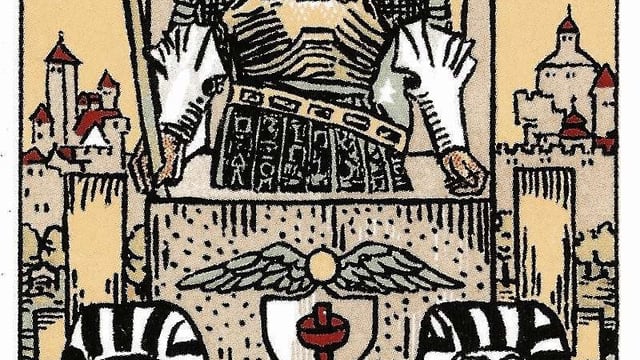
The traditional symbol associated with the 7 is the chariot - the higher self driving the vehicle of personality. In the earlier pinnacles, most people encounter the 7 as intellectual curiosity or a preference for solitude.
By the Third Pinnacle, the energy goes much deeper. It's not asking you to learn more facts. It's asking you to develop a different relationship with understanding itself - one that goes beneath the surface of things and stays there long enough to see what's actually true.
This is the scholar energy, the researcher energy, the contemplative energy that builds foundations not by adding more structure but by going deeper into what's already there. The 7's best foundations go deeper, not wider. In a culture that celebrates expansion and accumulation, this can feel counterintuitive.
But the person who spends their Third Pinnacle developing genuine understanding - of themselves, of their field, of the questions that matter most to them - often enters their later decades with a kind of solidity that more outwardly impressive foundations can't match.

How the Energy Moves Across the Spectrum
The overexpressed Third Pinnacle 7 retreats into isolation that stops being productive and starts being defensive. Perfectionism prevents completion - the thesis that never gets finished, the insight that never gets shared because it's never quite refined enough.
There's a particular flavor of loneliness that comes from pushing everyone away in the name of depth, and the overexpressed 7 often doesn't recognize it as loneliness. It masquerades as selectivity, as having standards too high for ordinary company.
At center, the Third Pinnacle 7 is profoundly engaged with understanding. This is the person who reads not to accumulate knowledge but to genuinely comprehend. The professional who develops expertise so thorough that their insights seem almost intuitive to colleagues.
The parent who listens with such attention that their children feel truly seen. The centered 7 brings a quality of presence to whatever it touches - not warm and effusive, but steady, attentive, and penetrating.
The underexpressed version substitutes busyness for depth. The calendar stays packed, the to-do list never shrinks, and every quiet moment gets filled with distraction.
The inner life goes unexamined not because it's unimportant but because examining it feels dangerous - because stillness might reveal things that busyness keeps safely buried. The underexpressed 7 often experiences a persistent sense of superficiality, a feeling that life is moving quickly across a surface without ever touching bottom.

The Pull That Doesn't Make Career Sense
Here's the scenario that plays out with striking frequency during a Third Pinnacle 7: someone who is successful and busy at forty-three finds themselves drawn toward meditation, counseling training, philosophical study, or some other pursuit with no obvious career application.
The pull doesn't have a business plan. It doesn't promise a return on investment. It just keeps showing up, quietly, persistently, until ignoring it takes more energy than following it.
The mistake is to dismiss this pull as a midlife crisis. What's actually happening is that the 7 energy is asking you to build the inner foundation that everything else - career, relationships, purpose - will eventually rest on.
The person who follows this pull rarely regrets it. The person who suppresses it often does, though the regret may not surface for years.
The transition into this pinnacle is typically abrupt - three to six months during which external life may continue unchanged while something inside shifts dramatically.
You may notice a sudden hunger for solitude, a decreased tolerance for superficial conversation, or a growing sense that the questions you've been avoiding are the only ones worth asking.

How Your Life Path Shapes the Journey
Your Life Path number significantly influences how the 7 energy integrates. If your Life Path is also a 7, the doubled energy creates remarkable capacity for depth but also a risk of becoming too comfortable in isolation.
The doubled 7 sometimes needs to be deliberately pushed toward engagement with the world - sharing insights, teaching, allowing other people into the inner sanctum.
A Life Path 3 paired with a Third Pinnacle 7 often experiences what initially feels like an identity crisis. The creative, expressive, socially vibrant 3 suddenly feels pulled toward silence and solitude.
The resolution comes when you discover that depth and creativity are partners rather than opponents. The writer who goes deep produces more original work. The teacher who has genuinely contemplated their subject transforms rather than merely entertains.
More action-oriented Life Paths - the 1, 5, and 8 - may resist the 7's inward pull. The key is recognizing that the reflective work isn't replacing your active nature. It's deepening it. The executive who meditates makes better decisions. The entrepreneur who studies broadly sees opportunities that narrow focus misses.

Explore Further
The Pinnacle Numbers hub provides the full framework for understanding how your cycles interact. Visit the Life Path 7 page for comprehensive context on the 7 vibration across your entire life arc.

What if I don't have time for contemplation during these years?
The 7 doesn't require a monastic retreat. It requires honesty with yourself and a willingness to go beneath the surface of things. Even fifteen minutes of genuine reflection each day can satisfy the 7's requirements better than weeks of staying busy.
The question isn't whether you have time. It's whether you're willing to use some of the time you have for depth rather than productivity.

Does the Third Pinnacle 7 mean I should study something formal?
Not necessarily. Some people express the 7 through academic study, but the energy is equally served by deep reading, contemplative practice, therapy, mentoring relationships with wise people, or simply sustained attention to the questions that matter most to you. The form is less important than the depth of engagement.
Can the Third Pinnacle 7 be lonely?
It can, particularly if you interpret the 7's need for solitude as a requirement for isolation. Solitude and isolation are different things. Solitude is chosen time alone that renews you.
Isolation is unchosen disconnection that diminishes you. The healthy Third Pinnacle 7 values solitude deeply while maintaining meaningful connections - even if those connections are fewer and more selective than in previous years.

What the Tradition Says About a Third Pinnacle 7
Ruth Drayer calls the 7 in any significant position a quiet time to turn to the inner planes for faith. She adds the darkest honest note in her entire pinnacle commentary: it can feel like the dark days of the soul before coming into the Light. Her instruction - "have the faith to drop the perfection facade" - identifies the specific armor that the 7 must lay down during this phase to access what the integration years actually offer. At the Third Pinnacle, spanning roughly the mid-forties through late fifties, this is not a detour. It is the curriculum.
Matthew Oliver Goodwin classified the 7 as a weak modifier relative to numbers like 1, 4, or 8 - not meaning it lacks depth, but that it operates through interiority rather than outward dominance. In the Third Pinnacle position, which Goodwin identified as generally more influential than the concurrent Life Path Period, the 7's inward pull can be profound. These are years when the questions that seemed answerable in earlier decades - about meaning, about what is actually true, about what one genuinely believes - become insistent again. The 7 does not rush those questions. It lives inside them.
Goodwin also observed that the 7 harmonizes with the 4, 2, and 11 - numbers that share some of the 7's interiority and patience. For Life Paths carrying these energies, the Third Pinnacle 7 may feel like a natural deepening rather than a disruption. The tradition is consistent on the destination: the peace and tranquility that Drayer describes as the 7's attainment are not passive states. They are earned through the willingness to remain with the questions long enough to find the answers that are actually yours.
Frequently Asked Questions
What does a 7 Third Pinnacle mean for personal integration of wisdom and inner life at midlife?
It means the inner questions you've been carrying - about meaning, about what you actually believe, about what's true beneath the surface of things - are ready to become the center of your development rather than a background hum. The integration work of the Third Pinnacle 7 builds foundations that go deeper rather than wider, and the depth you develop during these years becomes the bedrock for everything that follows.
Why is the Third Pinnacle considered the most powerful of the four pinnacle cycles?
The Third Pinnacle covers roughly ages 37 through 54, the years when you have enough life experience to ask the right questions and enough intellectual energy to stay with them. For the 7, this matters particularly because genuine understanding - the kind that changes how you see - requires both sustained attention and real-world context that earlier decades simply couldn't provide.
How can someone with a Third Pinnacle 7 tell the difference between productive solitude and defensive isolation?
Productive solitude renews you - you emerge from it with more clarity, more patience, and a greater capacity for connection. Defensive isolation diminishes you and tends to increase over time, each withdrawal making the next one easier to justify. If your time alone consistently makes you less willing to engage rather than more capable of it, the solitude has become a hiding place.
What does the 7's "inner pull toward something unnamed" typically reveal, and how should it be followed during midlife?
That pull rarely announces itself with a clear label. It often starts as dissatisfaction with surface-level answers, a growing appetite for subjects that don't fit neatly into your existing life, or a persistent feeling that the external achievements don't add up to what you expected. Follow it by giving it room - even fifteen minutes of genuine daily reflection - rather than waiting until you can name it perfectly. The name usually arrives after you've been following the pull for a while, not before.