Picture an encore. The performance ended - really ended, the kind of finale where the house lights almost came up and people were reaching for their coats. The singer walked offstage. The set had been played. Every song she came to play, she played.
The Hermit's lantern lit on the summit, the whole path walked, the work complete.
And then something happened that nobody planned, least of all her.
She walked back out. Sat at the piano alone. Played something she had never performed before - something raw and half-formed that she had been carrying in her chest for years without knowing what to do with it.
The audience went quiet in a different way than before, the kind of quiet that happens when a room realizes it is hearing something true.
When she finished, she looked at one person in the front row. Someone she loved. She played the last phrase again, just for them.
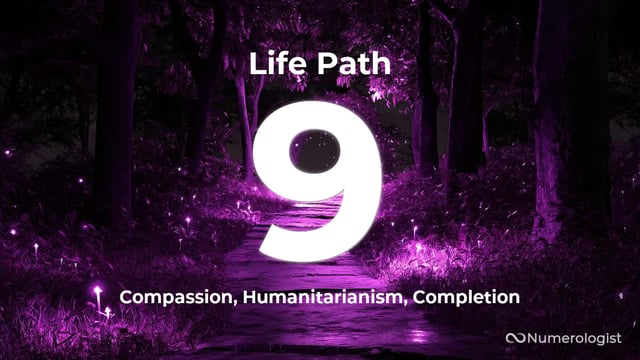
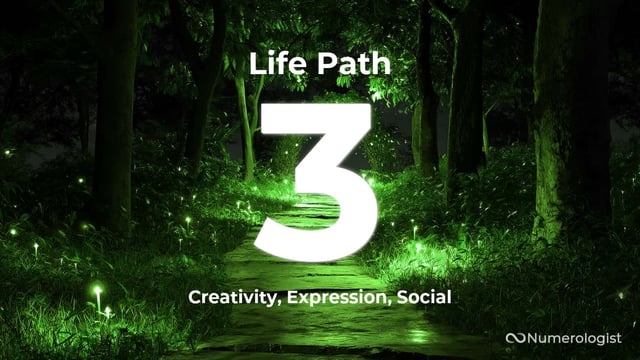
The performance (9) ended. She came back and expressed something new (3). She dedicated it to someone specific (6). And the raw emotion that surfaced in that room - the thing nobody could name afterward, the feeling that made strangers look at each other like they had just survived something together - was the Moon.
The number 18, shimmering underneath the whole sequence, pulling the tide of every feeling she had ever stored in her body and letting it flood the stage.
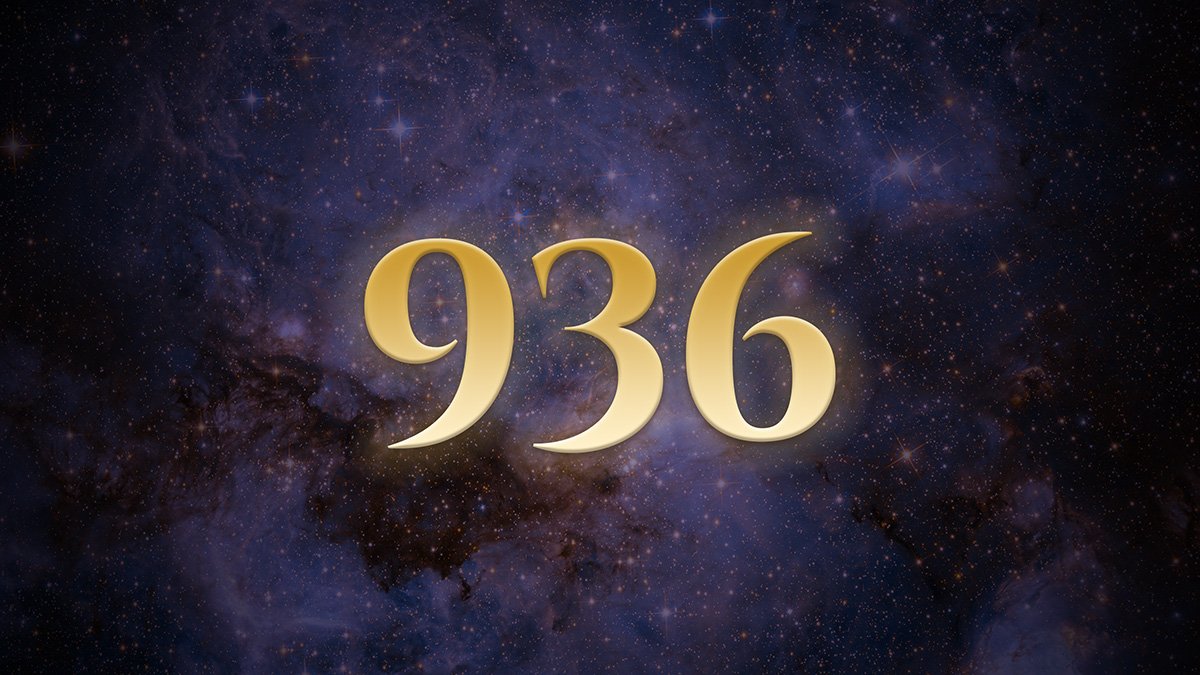
The encore was the real performance. 936 almost always works that way.
After the Final Bow
Nine leads this number, and nine is the Hermit - the soul who has already climbed, already searched, already held the lantern high enough to see everything the journey built and everything it cost.
Balliett called 9 "free expression on all planes" and described it as the Soul of things, the number that "has honors laid at its feet" rather than striving for them.
She wrote that 9 attracts more love than any other number and that its paths "end" according to Pythagoras - meaning the full single-digit cycle reaches completion here. Everything has been lived.
Agrippa dedicated 9 to the nine Muses and the nine celestial spheres, calling it the number where the sacred order reaches its fullest expression before returning to unity.
So when 9 opens 936, you are starting from a place of genuine completion. A career that ran its full course. A relationship that taught everything it came to teach. A version of yourself that you inhabited completely before it dissolved. The Hermit is not grieving on that mountaintop.
The Hermit is seeing clearly, maybe for the first time, because there is nothing left to want from this particular climb.
Completion creates a very specific kind of silence. And in that silence, something unexpected begins to move.
The Song That Was Never on the Setlist
Three sits at the center of 936, and three is the Empress - the principle of creative birth.
Balliett placed her as the expression of the first trinity: "No. 1 creates, No. 2 collects, and No. 3 expresses, making a chain strong and beautiful." She wrote that the 3 person "can interpret and bring forth the silent hidden voices of all things" and described their mission as being happy and making others so.
But notice where the 3 appears in 936 - not at the beginning, not leading the charge. She emerges from completion. The singer did not plan the encore.
The encore planned itself, in the cleared space that opened after the set had been played and the obligation had been met and the performer had nothing left to prove to anyone in the room.
There is a particular quality to what a person creates after they have already finished a major cycle. It arrives without desperation. Without performance anxiety. Without the grinding need to prove something.
The singer walked back onstage because a song was in her throat that would not go back down, not because she was chasing one more round of applause.
This is creativity born of wisdom. The kind that only becomes possible after the work has been completed and the achiever has been allowed to dissolve.
The Moon Flooding the Room
9 + 3 + 6 = 18. Eighteen is the Moon.
And 1 + 8 = 9. The sequence returns to itself. Completion through expression through stewardship, arriving back at completion - but transformed by everything it passed through on the way around.
The Moon does not illuminate the way the sun does. Moonlight shows you the outline of a path but not every stone. It makes familiar landscapes strange. Under the Moon, you navigate by feel as much as by sight, trusting the body's knowing over the mind's certainty.
This matters for 936 because the creative impulse that emerges from completed ground does not arrive as a business plan. It does not come with a five-year strategy or a market analysis or even a clear explanation of what it wants to become.
It comes the way the encore came - vivid, emotionally precise, resistant to explanation. You know it matters before you know why it matters. You feel its rightness in your bones before your mind can articulate a single practical reason to pursue it.
The Moon at 18 is the raw emotion that surfaced when the singer played the song she had never performed. The feeling that moved through the room like weather.
Agrippa wrote that the Moon's magic square, engraved on silver with the Moon fortunate, "renders the bearer thereof "grateful, amiable, pleasant, cheerful"l, honored, removing all malice, and ill will" - and that with the Moon unfortunate it makes the place where it is buried unfortunate instead. The Moon's emotional tide does not negotiate. It floods or it stagnates.
The Hermit already proved their capacity for rational navigation - they climbed the whole mountain with structured effort and discipline. Now the Moon is saying: you have earned the right to follow what you cannot fully explain. The structured achievement is behind you. What comes next moves by moonlight.
Dedicating It to Someone in the Front Row
Six closes the sequence. Balliett called 6 the Cosmic Mother, the finisher: "It would seem as if they were arranging the temple for others to use." She described 6 as far-sighted and prophetic, someone who accumulates and makes the best of what comes to hand.
Agrippa called it "the number of perfection" because its parts sum to itself - complete, wanting nothing.
In the tarot, 6 is the Lovers. The card of conscious choice, the moment when two genuine paths stand before you and you select one with full awareness of what you are choosing and what you are leaving behind.
In 936, the choice comes last. The completion (9) cleared the ground. The creative impulse (3) moved through the cleared space. And now the 6 asks: will you choose this? Will you dedicate this raw, moonlit, half-understood expression to something? To someone?
Will you take the encore - the song you did not plan to sing - and give it a home?
Because creativity that emerges from completed ground still requires a decision. The singer could have walked offstage and stayed offstage. The impulse could have remained an impulse. A nice feeling she had once, in the silence after the set ended.
The 6 in 936 is the moment where following becomes choosing. Where the dreamy moonlit quality of the creative urge meets the concrete act of commitment. She looked at the person in the front row. She played the last phrase for them.
The expression became an offering, and the offering became a choice, and the choice completed the circle that brought 936 back to 9.
The Shadow of Never Returning to the Stage
The trap in 936 is subtle, because it hides inside wisdom. The Hermit has seen everything from the summit. The Hermit knows how hard the climb was. And the Hermit can talk themselves out of the encore by calling it unnecessary, impractical, too emotional, too late.
The shadow looks like someone who completed a major chapter and then froze. Who felt the creative impulse stirring and dismissed it - not because it did not feel true, but because it felt too true. Too vulnerable. Too exposed.
The Moon at 18 reveals what the performer has been carrying in her chest for years, and some people would rather keep that hidden than sing it in a room full of strangers.
936 asks you to sing it anyway. The completion already happened. The structured achievement is behind you. What remains is the raw, moonlit, unfinished thing that wants your voice and your choice and your willingness to offer it to someone specific rather than keeping it sealed inside your wisdom like a letter you never sent.
The Encore Was the Real Performance
936 does not ask you to start over. It asks you to notice what already started - in you, through you, because of everything you completed and became. The wisdom is yours. The creative impulse is already moving. The Moon is already flooding the room with feeling.
The only question left is the Lovers' question, the one that every meaningful life eventually arrives at: will you choose what is choosing you?
The singer stands at the piano. The audience holds its breath. She plays the thing she never planned to play, and when she finishes, the silence in the room is louder than any applause that came before.
That silence is 936 arriving at its final 9. Completion - real completion - through the act of expressing what wisdom alone could never contain.
Explore further: Discover your Life Path number with our free calculator
Regarding 936
What does angel number 936 mean?
936 is the encore - the performance you give after the performance has ended. Nine (completion) opens the sequence, meaning a major chapter of your life has already reached its natural conclusion. Three (expression/the Empress) emerges in the cleared space, bringing a creative impulse you did not plan.
Six (choice/the Lovers) closes the sequence by asking you to commit to that impulse, to dedicate it to something real. The whole thing reduces through 18 (the Moon) back to 9 - completion that arrives through emotional truth rather than structured achievement.
Why does 936 reduce to 9 through 18?
9 + 3 + 6 = 18, and 1 + 8 = 9. The number returns to itself, but changed. The Moon at 18 is the raw emotion that surfaces when you let yourself create from a post-completion place - not from ambition or strategy, but from the deep, moonlit knowing that lives beneath logic.
The final 9 is a different kind of completion than the 9 that started the sequence. It is completion through expression, through daring to sing the song you had been carrying.
What does 936 mean for love?
In relationships, 936 often appears when you have completed an entire arc of how you loved - a relationship that ran its full course, or a pattern of relating that you finally outgrew. The 3 in the middle says something creative and new is stirring in the space that opened up.
The 6 at the end asks you to choose it, to dedicate this next chapter of your heart to someone or something specific rather than keeping it theoretical. Love after 936 is the encore, not the opening act.
What is the shadow side of 936?
The shadow hides inside wisdom. When you have completed something significant (9) and a new creative impulse stirs (3), the temptation is to dismiss it - to call it impractical, too emotional, too late.
The Moon at 18 reveals what you have been carrying, and some people would rather keep that hidden than offer it to the world. 936's shadow is the encore that never gets played because the performer talked herself out of walking back onstage.
How is 936 different from 369 or 639?
The order of the digits changes where the journey begins. 936 starts from completion and lets creativity emerge from finished ground - wisdom first, then expression. 369 would start from expression and move toward completion - creating your way toward understanding. 639 would start from stewardship and move through expression toward completion.
Each path reaches the same Moon at 18, but 936 is specifically for people who have already finished something major and feel the next thing growing in the quiet afterward.