Wisdom frames the creative expression rather than following it. 9339 is a palindrome where two completions hold two creative voices, and the choices emerging from this container are defining, irreversible ones - the sharpest version of the Lovers’ demand.
Angel Number 9339: Wisdom's Two Creations
By Blair Andrews · Published April 18, 2026 · Updated May 10, 2026
The numbers inside 9339

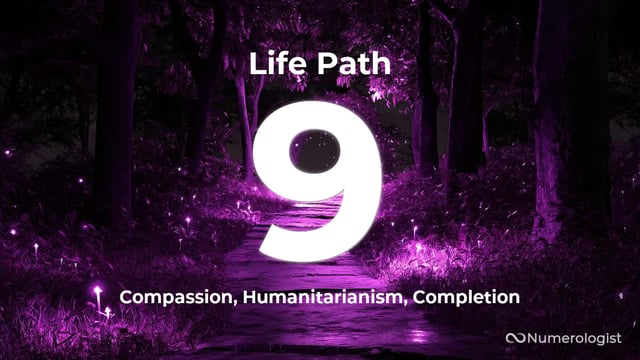
9Completion, letting go, a bigger purpose

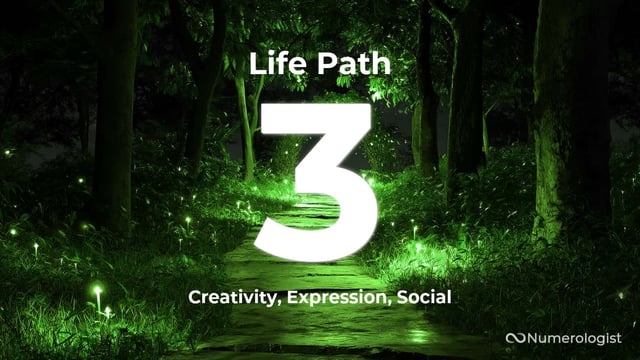
3Creativity, expression, communication
9 + 3 + 3 + 9 = 24 → 6
6: Home, responsibility, the people closest to you
What 9339 means for you specifically depends on which of the 11 Life Paths you’re on. Your birthday determines that.
Enter your birthday below:

Picture an album - a real one, the kind that took three years and a divorce and a move across the country. You finished it. The last track mastered, the last mix approved, the whole thing pressed and released and done. Completion.
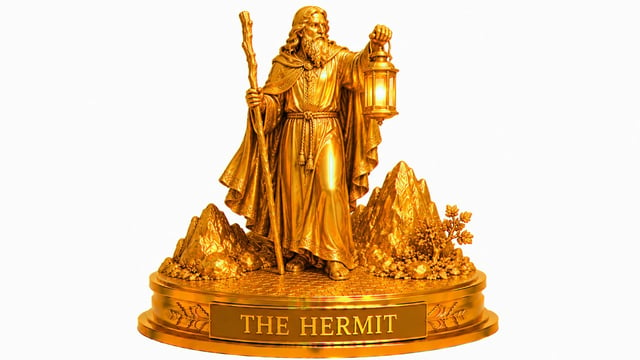
The Hermit standing at the top of the mountain with the lantern, looking back over the whole climb.
And then something happened that you didn't plan. Two songs from the record - your two best, the ones that crack open a room - got requested for a benefit concert. A fundraiser for something you actually care about.
A cause that matters to people who need what your music can do in a space like that.
So your finished work walked back into the world. Your two best expressions of everything you'd learned went up on a stage and did something the album alone could never do. They served people. They fed something beyond your own story.
That's 9339. Your life's work, completed. Your two strongest expressions of it, given to something larger. Completion bookending creation, and the whole thing arriving at stewardship.

The Architecture of a Palindrome
Read the digits: 9-3-3-9. The same shape forward and backward, like a sentence that means the same thing in both directions.
The 9s sit on the outside. In the tarot, 9 is the Hermit - the figure who has completed the cycle. Agrippa called 9 the number "dedicated to the Muses," corresponding to the nine celestial spheres, sacred to the end of the first cycle. The Hermit is done.
The work is finished, the lessons absorbed, the lantern lit with the light of everything the journey contained.
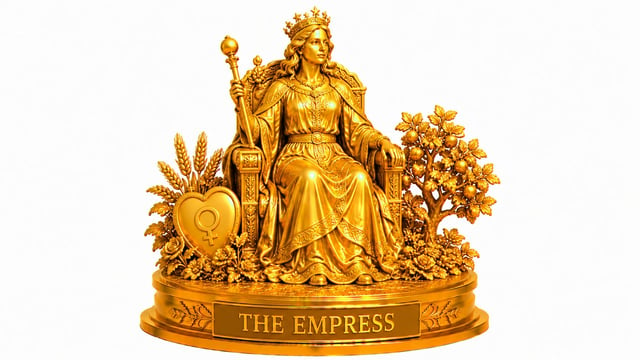
The 3s sit on the inside. The Empress, doubled. Creative expression at its most fertile. Balliett described 3s as those who "gather the blossoms No. 1 planted and rejoice over the happiness they give" - the number of musicians, artists, actors. The 3 doesn't hoard what it makes.
It gives it away with both hands.
So the architecture is specific: completion holds creation. The Hermit's finished wisdom forms the walls, and inside those walls, two acts of creative expression bloom. The album made the songs. The songs play at the benefit. The art serves others because the artist finished something first.

The Songs That Leave the Album
There's a difference between creating something to get somewhere and creating from a place you've already arrived.
When you create from ambition, there's a reaching quality - the Empress stretching forward, trying to bring something into existence that will prove she belongs. Ambitious creation has produced extraordinary art. It has also produced anxious art, the kind that vibrates with the need to be recognized.
The doubled 3 inside 9339 is different. These creations emerge from completion. The Hermit already walked the road. When the Empress creates from within the Hermit's wisdom, the work grows the way a tree grows from deep roots - without straining toward the sun because the roots are already drinking from the right water table.
Your two best songs. The ones that people request. The ones where the craft and the feeling and the hard-won knowledge of your entire career converge into something that moves a room full of strangers. Those songs didn't come from nowhere.
They came from the album, which came from the years, which came from the living.
And now they're playing at a benefit concert, which means they've left your story and entered someone else's.

Through Twenty-Four to the Tending
9 + 3 + 3 + 9 = 24.
Twenty-four has an old reputation in numerological tradition. It's been called the Number of Cain - but not for the reasons you'd think. Cain's story isn't about violence at its root. It's about offering.
Cain was the first figure in the human narrative who brought something he'd made and placed it before something larger than himself. The ground shifted afterward, but the offering came first.
24 arrives in a life when the work is done and the question becomes: what do you do with it? Do you keep it? Frame it? Build a catalog around it?
Or do you offer it - let it leave your hands and enter the world where it can do the kind of good that has nothing to do with your name or your career or your ego?
24 reduces to 6. The Lovers. Stewardship.
Agrippa called 6 "the most perfect in nature, in the whole course of numbers, from one to ten" - the only number whose constituent parts (one-half, one-third, one-sixth) add back up to exactly itself. "Neither wanting, nor abounding." The Pythagoreans named it the Scale of the World and applied it to generation and marriage.
Balliett saw it as the finisher, "arranging the temple for others to use."
The 6 at the root of 9339 is the benefit concert. The moment your art stops being about you and starts being about the people it serves. Stewardship of something you created - which means the creation isn't the end point. The tending is.

When Art Becomes an Offering
This isn't really about albums and concerts. It's about any completed body of work - a career, a practice, a way of living, a phase of your life that you finished for real - and the discovery that the best pieces of it have value beyond your own biography.
Maybe you raised three kids and the wisdom you gathered is exactly what your niece needs to hear. Maybe you closed a chapter of your life - a marriage, a business, a creative period - and the insights from that closing are precisely what someone else needs to begin.
The palindrome says the completion is real on both sides. The first 9 closed the cycle. The last 9 closes it again. You finished, and the finishing confirmed itself. What lives between those two completions - the doubled 3, your two best expressions - is what you have to offer.
Whether 9339’s shadow side applies to you — and how strongly — depends on your core numbers. Your birthday reveals the first one.
Enter your birthday below:

The Empty Venue After Midnight
The shadow of 9339 is the artist who won't let the songs leave the album.
You completed the work, and the completion felt so hard-won that you turned it into a monument. You sit beside it, polishing and protecting, refusing to let any piece of it go into the world where it might be misunderstood, misused, played at someone else's event for someone else's cause.
You'd rather keep the work pristine than let it get messy in the hands of actual people with actual needs.
This shadow often wears the costume of humility. "Oh, I couldn't - my work isn't good enough for that." Or it wears the costume of artistic purity. "I didn't make this for charity.
I made this for the work itself." Both costumes hide the same fear: that if you let your best creations serve someone else's purpose, you'll lose ownership of the meaning. The songs will belong to the benefit instead of belonging to you.
The palindrome answers that fear directly. The 9 on both ends means the completion doesn't change when the creation leaves your hands. The album is still the album. The work is still yours. Letting the two best songs play at a benefit doesn't diminish the record - it extends it.
The Hermit's lantern isn't dimmed by lighting someone else's path. It was always meant to.

The Mirror on the Other Side of the Stage
If you've encountered 3993, you've seen the inverse arrangement. Same digits, same sum, same reduction to 6 through 24. But the positions are reversed.
3993 puts the Empresses on the outside and the Hermits at the center. Creativity containing completion - you made two things, both reached their natural end, and now stewardship asks which finished work to carry forward. The artist looking at two completed pieces, deciding which one defines their legacy.
9339 works the other way. The completions hold the creativity. You finished something, and the finishing produced two living expressions, and now stewardship asks which living thing to offer - and to whom, and how.
The difference matters. In 3993, the choice is about the past - which completed work gets remembered. In 9339, the choice is about the future - which living creation goes out into the world and does the most good. Both arrive at the Lovers.
But 3993's Lovers tends the archive, while 9339's Lovers tends the congregation.

The Morning After the Benefit
After the songs have played, after the room has done whatever rooms do when music reaches them - crying, laughing, reaching for the person next to them - after the chairs are stacked and the lights are off, you drive home.
The album is still the album. The songs are still yours. Nothing has been taken. The Hermit on both sides of the palindrome confirms this - completion is completion, whether the work stays in your studio or walks out on a stage.
But something has been added. The 6 at the root of 9339 means you now carry the knowledge that your best work has a purpose beyond your own life. Your wisdom, expressed through the two strongest things you ever made, fed people who needed feeding.
The Hermit's lantern is for lighting paths. The Empress's creations are for giving away. The benefit concert - whatever yours looks like, in whatever form your two best songs take - is where the album finally becomes what it was always meant to be.
The art serving others. 9339, read in any direction, tells the same story.

Frequently Asked Questions About Angel Number 9339
What does angel number 9339 mean?
9339 describes the journey from completion to stewardship. Two acts of completion (the outer 9s) hold two acts of creative expression (the inner 3s), and the whole palindrome reduces through 24 to 6 - the number of tending, service, and care.
It means your finished work has produced something that can serve others, and the question now is how to let it.
Why is 9339 a palindrome, and does that matter?
The palindromic structure means the number reads the same in both directions, which reinforces the symmetry between the two completions and the two creations. Neither side is stronger. The album that opens the sequence is the same weight as the album that closes it. The two songs at the center carry equal power.
This symmetry prevents you from dismissing one creation as lesser - both grew from the same earned ground.
What does it mean that 9339 reduces to 6?
The reduction to 6 means all the completed wisdom and doubled creative expression ultimately serve a caretaking purpose. Agrippa called 6 the number of perfection, "neither wanting, nor abounding." Balliett called it the finisher who arranges the temple for others to use.
Your art, your wisdom, your life's work - they find their final expression not in the making but in the tending. The album matters most when the songs serve someone beyond the artist.
How is 9339 different from 3993?
3993 places creativity on the outside and completion at the center - the artist choosing between two finished works. 9339 reverses this: completion on the outside, creativity at the center. The choice in 9339 isn't about which finished thing to preserve. It's about which living creation to offer to others.
Same destination (stewardship), different starting point (wisdom holding art versus art holding wisdom).
What is the shadow side of 9339?
The shadow is hoarding your completed work. Refusing to let the songs leave the album, keeping your hard-won wisdom locked inside your own story instead of offering it to people who need it. This often disguises itself as humility ("my work isn't good enough") or artistic purity ("I didn't make this for anyone else").
The palindrome's symmetry is the answer: the work doesn't diminish when it serves others. The Hermit's lantern exists to light paths.

Curious which numbers are active in your chart right now? Your birthday is the starting point.
Enter your birthday below:
Explore Angel Numbers
| Digit meanings | Angel Number 3, Angel Number 9 |
| Reduces to | Angel Number 6 |
| Mirror | 3993 |
| Similar patterns | 9229, 9449, 9119, 9559, 9009, 9669, 8998, 9779 |
Behind Your Angel Number
calculate your full numerology chart·find your life path number·numerology, explained