Angel Number 778: The Twice-Winning Traveler
By Blair Andrews · Published October 4, 2023 · Updated May 9, 2026
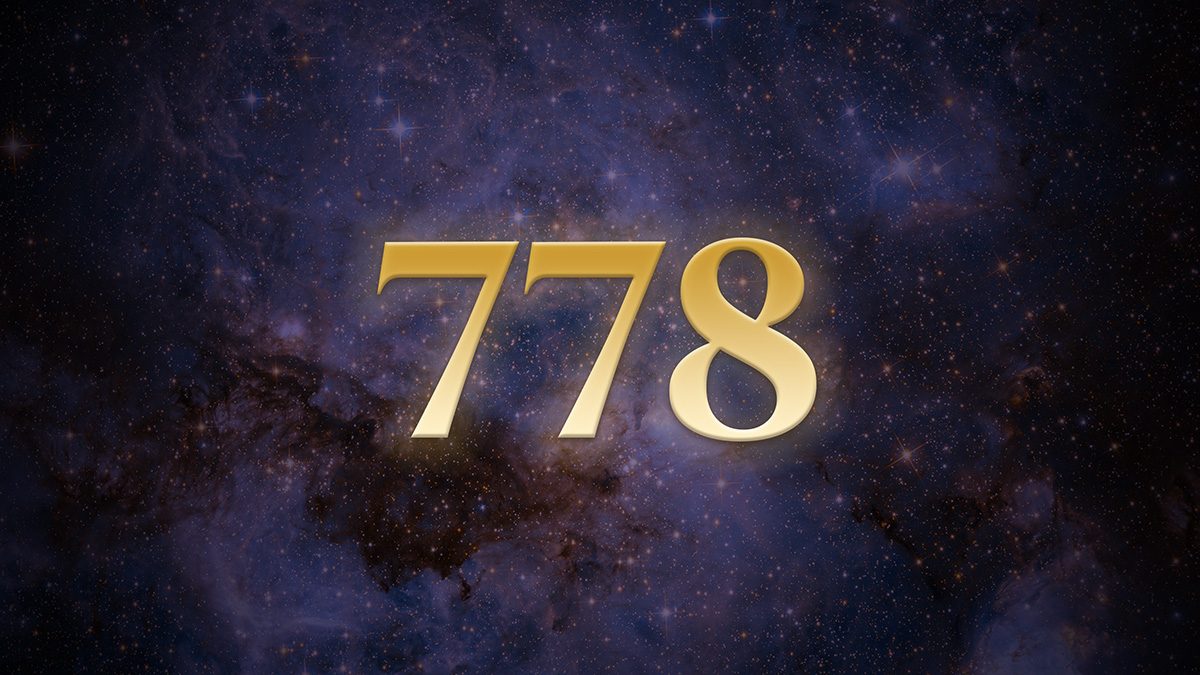
The numbers inside 778
778 reads as a 4.
Stability, foundation, building something solid
A twice-proven traveler who has found their pulse and now steps into the next chapter from earned authority. 778 says two victories followed by the rhythm of Strength produce the Master Builder’s foundation - not naive but a victor walking to music they’ve been hearing for years.
What 778 means for you specifically depends on which of the 11 Life Paths you’re on. Your birthday determines that.
Enter your birthday below:

There is a version of the Fool the old commentaries almost never draw.
The familiar telling pictures the Fool as the reckless one - the untried walker who steps off a cliff because he has not yet learned what cliffs cost.
A few tellings go further and picture him as the weary one - the walker so exhausted by loss that he simply lets go and falls. Both pictures have their uses. Both pictures assume the traveler is defeated, or naive, or foolish in the ordinary sense of the word.
There is a third Fool. The one these readings almost never reach for.
The traveler who arrives at the cliff having already won - not once, but twice - and who has been inside the rhythm of his own winning long enough that the step off the edge is simply the next beat in a music he has been walking to for years.
This is the Fool the number 778 points to.

Victory, Then Victory Again, Then the Pulse of Both
Read the number in order. Seven, seven, eight.
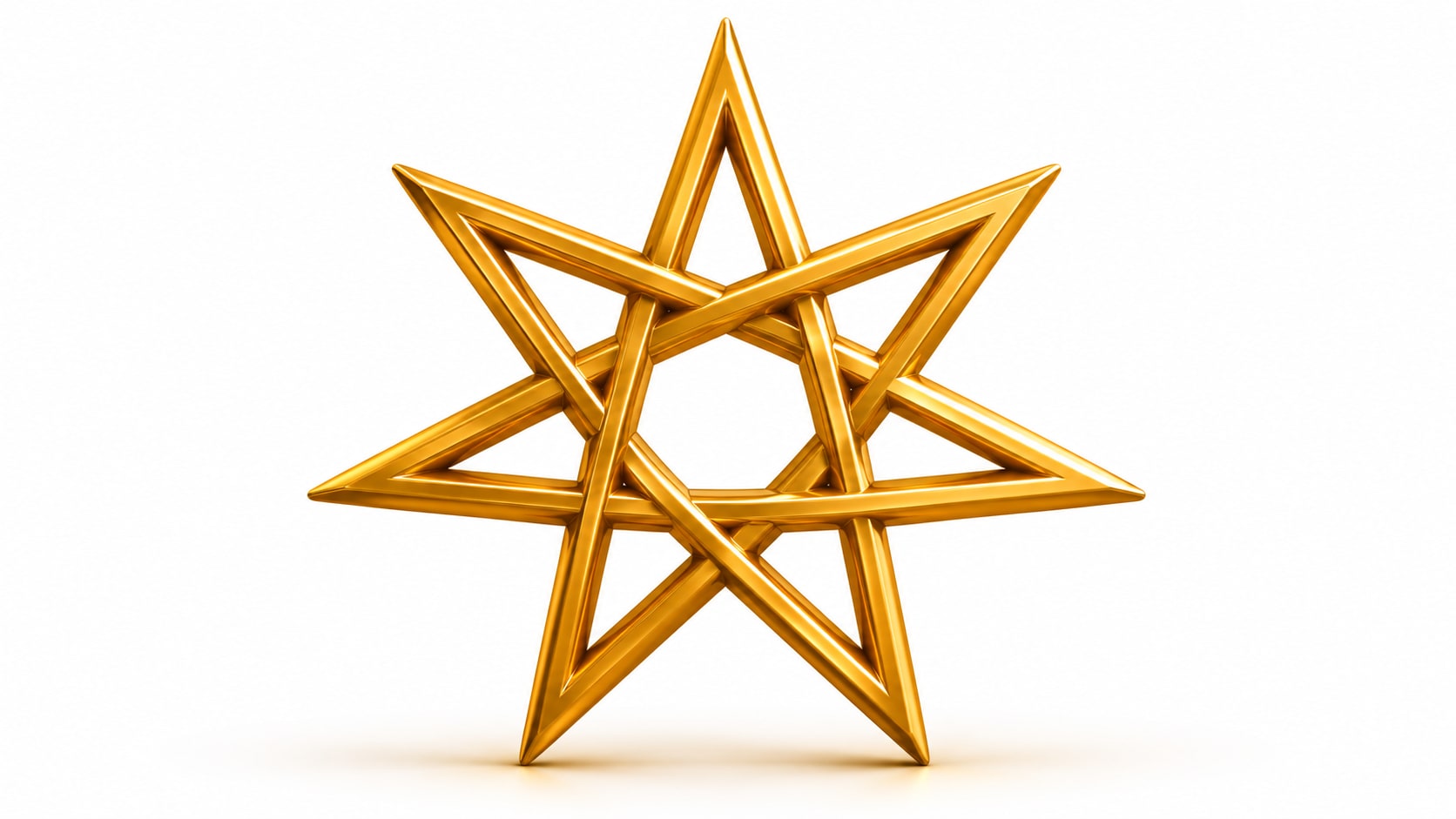
Seven is where it begins. The seven-pointed star. The geometric figure so hard to construct it became the ancient emblem of mastery earned rather than mastery given.
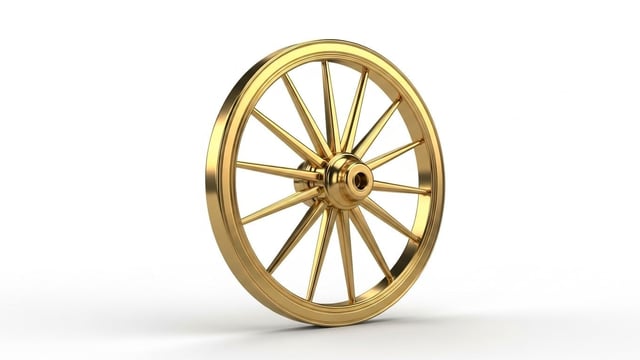
In older symbolic traditions the seven is the charioteer, the figure riding at the front of his own life, two animals yoked in front of him and the reins visibly in his hands.
Seven is alignment. Seven is the Self driving the personality. Seven is the word that the older texts translated as "victorious" long before popular superstition softened it into "lucky."
By the time 778 shows up, you have already been that charioteer. You have taken a version of your own life in hand, placed your grip on reins that were once going every direction at once, and driven it somewhere.
Something got aligned. Something that used to pull you apart learned, under your direction, to move in a single direction.
That was a win. A real one. The kind you earned by standing up in the chariot when it would have been easier to sit down.
Then seven arrives again.
This is the turn worth watching. The number does not record a single mastery. It records two. The second seven is a different chariot, a different alignment, a different yoking of animals that did not want, originally, to run together.
A separate arena. A separate discipline. A separate proof that the first win was not an accident.
Two wins, end to end, different fields, both unmistakably yours.
And then eight arrives.
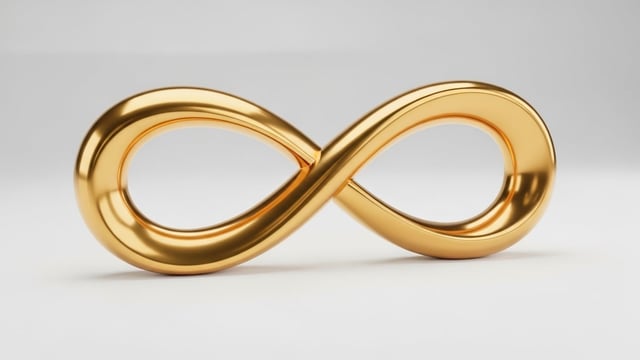
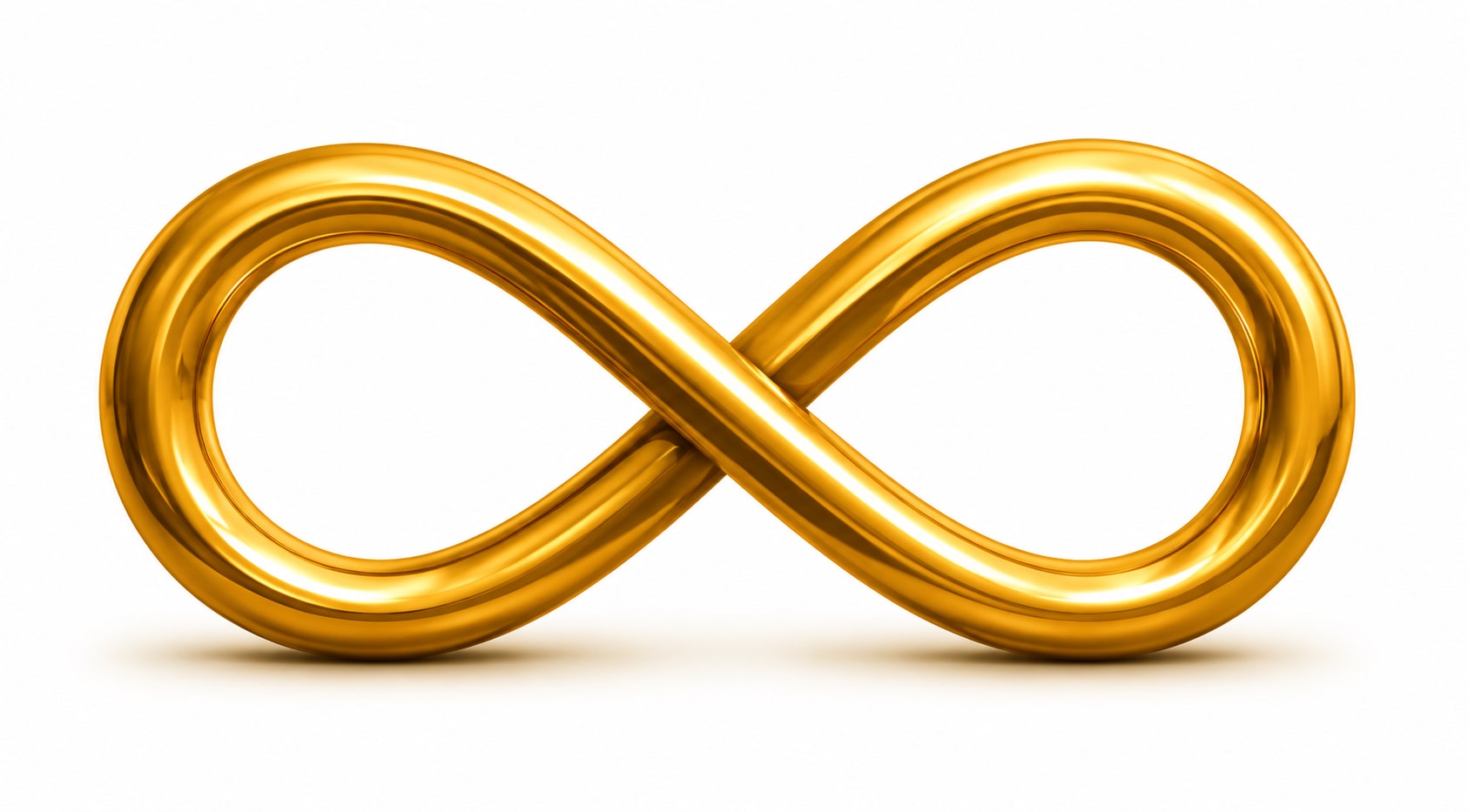
This is the move the number turns on. Eight is the lemniscate. The infinity symbol laid on its side, the figure-eight the old traditions used to name the rhythm that holds power in balance.
Not power as a single event, but power as a continuous circulation, giving and receiving, effort and rest, the lion and the tamer breathing in the same tempo. After the two victories, a rhythm.
A pulse that tells you the winning was never a set of isolated conquests. It was something you were doing, continuously, the way a runner runs. Stride after stride becoming the run itself.

The Arithmetic of the Twice-Winning Walker
Add the digits. Seven plus seven plus eight is twenty-two.
Twenty-two is the number of cards in the Major Arcana. It is the full journey. Every archetype the deck contains, walked in sequence, the traveler arriving at the far edge having been every figure the road could make him be.
The Fool is the card that closes the cycle, or opens it, depending on which deck you hold. He is what the full journey produces when the full journey is allowed to finish.
You cannot reach twenty-two by accident. The arithmetic refuses it. You can only reach twenty-two by having walked all of something. Which is precisely what 778 describes. Two masteries plus the rhythm they produced is the whole journey. The arena of the first seven.
The arena of the second seven. The ongoing pulse of the eight that held both wins inside a single continuous tempo. A life - not a list of accomplishments - that learned, at a particular cadence, what winning inside your own skin feels like from the inside.
And then twenty-two reduces. Two plus two is four.
Back to foundation. But not, and this is the whole point, the foundation you started from.

The Second Foundation
The original four is always architectural. A square. A set of walls. The structural commitments you made when you did not yet know which of them would matter, so you made all of them, as solidly as you could, in case any of them turned out to be load-bearing.
That first foundation was necessary. You did not yet have proof of anything. You built for every contingency because you could not see which contingencies would actually arrive.
The second foundation is different. It is what the two wins and the rhythm between them distilled. Not walls. Not rooms. A small, honest core of what you have actually been shown to be capable of.
It has been tested twice, held inside a sustained pulse, and carried long enough that your body now knows the shape of it without being reminded.
This is the foundation 778 reduces to. The portable one. The kind you do not leave behind when the scene changes, because the scene was never what was holding it.

What the Two Sevens Were Doing
It helps to name them, because the distinction matters.
The first seven is the more visible victory. Something specific you mastered. A craft, a role, a practice, a problem you got your hands around and solved. It had edges.
It had a result. Other people could have named it if asked, because the first victory tends to have the shape of something describable from the outside. You could point at the chariot and say, that one, I drove that one, and here is where we ended up.
The second seven is rarely as public. It is the quieter alignment - the one you pulled off later, in a different domain, often in a register only you fully registered as a win.
An inner discipline that finally held. A pattern you broke after years of not being able to break it.
A second arena in which you proved, to yourself and almost no one else, that the first victory was a capacity rather than an accident. The second seven is usually the more important one. It is the one that turns a single triumph into a body of evidence.
Two wins. Different chariots. Same driver. That is the situation 778 names.
Whether 778’s shadow side applies to you — and how strongly — depends on your core numbers. Your birthday reveals the first one.
Enter your birthday below:

What the Eight Added
Then the pulse.
778 parts ways with every other number in its family at this exact point. It is not the number of the conqueror. Conquerors have a single decisive victory and then spend the rest of the myth defending it.
Neither is it the number of the collector - the one who stacks wins like trophies on a shelf and lets them accumulate without integrating.
The eight at the end is the integration. The two wins did not stay discrete events. They fell into a rhythm with each other. The first one taught you a tempo.
The second one confirmed the tempo was yours. The ongoing pulse of the eight is what carried that tempo forward into everything else you did.
There is something deeper here about sustained accomplishment. The wins are not the point. The wins are what teach the body its own cadence. After that, the cadence becomes the life.
Your step learns the rhythm of the wins. Your breath learns it. The particular pace at which you take on hard things and see them through learns it. Eventually the rhythm is indistinguishable from you, which is the exact moment the old ways of thinking about winning stop applying.
You are no longer someone who wins occasionally. You are someone whose ordinary movement through the world has the shape of sustained victory, whether or not any particular moment looks like a win from the outside.
This is what the Fool at the cliff edge of 778 is actually carrying.

The Cliff, Reconsidered
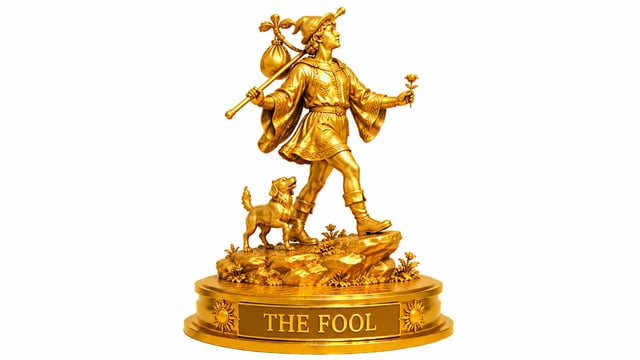
Look at the figure once more. The Fool at the edge, the sun on his face, his eyes on the sky rather than on his feet.
In most readings this looks like recklessness. The naive walker, so blank with ignorance that he cannot see the drop. In the 778 version, nothing could be further from what is going on in the image.
He is not ignoring the cliff. He is trusting his feet.
The feet are the part the traditional commentary skips. These are not untested feet. They have walked two victories and a sustained rhythm the length of the cycle. They know the cadence at which the ground tends to arrive.
The drop in front of him is not a terminal edge. It is the next threshold in a music that has been playing in his step for a very long time, and his step knows how to meet it without looking down.
The small bag over his shoulder is not empty. It is not full.
It contains, invisibly to anyone looking at the card, two quiet medals - the trace of the first win, the trace of the second win - distilled into something light enough to carry and dense enough to matter.
He does not need to display them. He does not even need to remember them consciously. They have become part of the walking.
The small dog at his heels is company, not warning. The white rose in his hand is the piece of beauty he chose to keep when he could have left it behind.
The cliff itself is only a cliff from the inside of the structure he is leaving. From where his feet already are, it is continuous ground.

What the Number Is Actually Saying
When 778 appears, something in your life is inviting the next unknown, and the invitation is addressed specifically to the version of you who has already won twice.
This is not the invitation a beginner gets. A beginner is told to take heart, to trust the process, to step forward in hope. That is the right message for the first Fool. It is not the right message for the Fool of 778.
The Fool of 778 is not being asked to hope. He is being asked to recognize that the rhythm he has been walking, through two separate arenas of proven mastery, has already prepared his body for the next chapter, whether he feels ready for it or not.
The feeling of readiness is not the point. Readiness is a sensation. The rhythm is a fact. Your feet have learned it over years of driving chariots that would not, at first, be driven. They will not forget it because the scene changes.
What is next is not a test of whether you can win. That question has already been answered - twice - and the number is essentially telling you to stop checking.
What is next is the life that opens once you are no longer treating your own wins as events you might fail to repeat.
They are not events. They are the rhythm of how you move. They will be with you on the far side of the step because they were already in the step before you took it.

The Grace of the Reduction
There is a reason the math comes home to four and not to some other number.
If 778 reduced to a one, it would ask you to begin over, as if nothing had been proven.
If it reduced to a nine, it would ask you to hand the wins back, to release them into completion. Neither of those is what this number is doing. Four is structural. Four is what holds.
The four at the far end of 778 is the foundation that the two wins and the sustained pulse have already built, quietly, inside the person you are now.
It is not a foundation you return to by coming back home. It is a foundation that comes with you when you leave. You can step off the cliff without stepping out of it.
You can enter the next unknown without discarding what the known taught you. That is the specific grace hidden in the reduction - that the fourness at the far end is not a wall to build again, but a core that travels in your gait.
The two medals are in the bag. The rhythm is in the step. The foundation is walking with you. You do not have to invoke any of it consciously at the cliff edge. It is already, quietly, there.
He stands at the cliff with two unseen medals weighing almost nothing in the bag at his side and the pulse of both wins still playing, steady, in the hinge of his step.
His eyes are on the sky, not on his feet, because his feet have walked long enough inside this cadence that they do not need supervision.
The ground he needs is already coming with him. It has, in fact, been walking with him since the second seven.

Curious which numbers are active in your chart right now? Your birthday is the starting point.
Enter your birthday below:
Explore Angel Numbers
| Digit meanings | Angel Number 7, Angel Number 8 |
| Reduces to | Angel Number 22 |
| Mirror | Angel Number 877 |
Behind Your Angel Number
calculate your full numerology chart·find your life path number·numerology, explained