Numerology & the Tarot: How Numbers Unlock Every Card
By Blair Andrews · Published February 13, 2010 · Updated May 10, 2026
How Numbers Unlock Every Card
- Every tarot card has a number, and that number carries its own meaning - You do not need to memorize 78 individual card meanings. Learn the nine core numbers and four suit elements, and you can read any pip card in the deck by combining them.
- The Major Arcana maps a numerological journey - From The Fool (0) through The World (21), each card falls at a specific point in the soul's development. When a Major Arcana card confuses you, reduce its number to a single digit. Death (13) reduces to 4 - its real nature is building something new, not destruction.
- The suit tells you where, the number tells you what - Cups are emotion, Swords are thought, Wands are will, Pentacles are material. The number on the card gives you the core energy. A Five in any suit means disruption and necessary change. A Nine in any suit means completion.
- Repeating numbers in a spread are a signal - Three Fives mean upheaval across multiple life areas. Two Nines mean more than one cycle is ending at once. A spread full of low numbers means fresh starts. Heavy high numbers mean maturation and approaching completion.
- You can find the hidden theme of an entire reading - Add the numbers of all cards in your spread, reduce to a single digit (or master number), and look up that number's meaning. This gives you the soul of the reading.
- Try reading a card by number alone - Pull from an unillustrated deck and read using only number and suit. You will be surprised how much meaning you can extract. This exercise makes you a stronger reader when you go back to illustrated cards.

The Hidden Number System Behind All 78 Cards
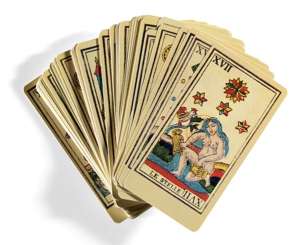 Most people approach the Tarot as a visual system - they read the imagery, study the symbolism, and interpret the pictures on each card. But beneath every image lies a number, and that number carries its own independent meaning. Understanding the numerological framework behind the Tarot does not replace visual interpretation.
It deepens it, providing a second layer of meaning that can clarify confusing spreads, reveal hidden connections between cards, and give you a structured foundation when your intuition needs backup.
The relationship between numerology and the Tarot is not accidental. The two systems developed alongside each other, sharing roots in Pythagorean philosophy, Kabbalistic tradition, and the Western esoteric schools that codified both disciplines.
When you understand how numbers work in numerology, you automatically understand something essential about how they work in the Tarot - and this understanding will transform the way you read every single card in the deck.

The Major Arcana: A Numerological Journey
The Major Arcana consists of 22 cards numbered 0 through 21. This sequence is not random. It maps the soul's journey from innocence (The Fool, 0) through various stages of development and back to integration (The World, 21). Each card's number tells you where it falls in this developmental arc.
The Magician (1) represents beginnings, initiative, and raw creative power. The High Priestess (2) introduces receptivity, intuition, and the wisdom of waiting. The Empress (3) brings creative expression and abundance into the material world.
For cards numbered 10 through 21, numerological reduction reveals their deeper essence. The Wheel of Fortune (10) reduces to 1 - it is a new beginning disguised as a turning point. Death (13) reduces to 4 - its true nature is not destruction but the building of something new from what remains.
The Tower (16) reduces to 7 - beneath the dramatic imagery lies a search for truth that requires the destruction of everything false. When a Major Arcana card confuses you, reduce its number to a single digit and let the numerological meaning of that digit illuminate what the card is actually saying.

The Minor Arcana: Numbers Across Four Suits
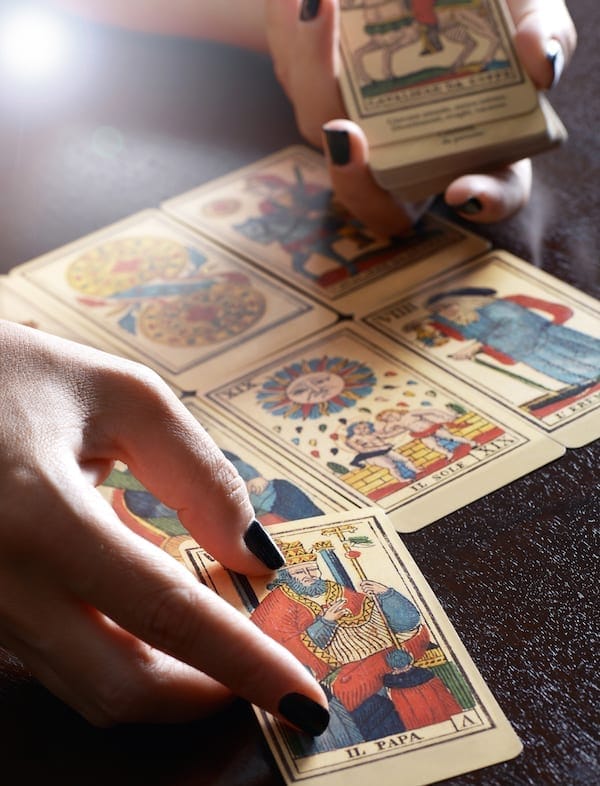 The Minor Arcana has 56 cards divided into four suits: Cups (water/emotion), Swords (air/thought), Wands (fire/will), and Pentacles (earth/material). Each suit contains cards numbered Ace through 10, plus four court cards.
The number on each pip card carries the same core meaning regardless of suit - the suit simply tells you which domain of life that number's energy is expressing through.
This is where numerology becomes an incredibly practical reading tool. If you know what each number means, you can read any pip card in the deck by combining the number's meaning with the suit's domain. You do not need to memorize 40 separate card meanings. You need to understand nine numbers and four elements, and the rest follows naturally.

Number Meanings Across the Deck
Aces (1): Creation, originality, independence, courage, progress, ambition, will power, leadership, raw energy. The Ace is always a seed - pure potential that has not yet taken form. In Cups, it is the seed of a new emotional experience.
In Pentacles, the seed of a new material venture. In Swords, a new idea or perspective. In Wands, a new creative or spiritual impulse. Every Ace asks the same question: what will you do with this beginning?
Twos (2): Love, service, harmony, adaptability, charm, diplomacy, cooperation, receptivity, purpose, balance. The Two introduces duality - the moment when the single creative impulse of the Ace encounters another force and must negotiate.
In relationships, this is partnership. In thought, this is weighing options. In every suit, the Two asks whether you can hold two things at once without forcing a premature resolution.
Threes (3): Artistic expression, joy, optimism, inspiration, talent, imagination, sociability, kindness, initial manifestation. The Three is where the seed planted in the Ace and negotiated in the Two first becomes visible in the world.
It is the first tangible result, the creative output, the moment when potential becomes actual. Threes in a spread suggest that something is ready to be expressed, shared, or celebrated.
Fours (4): Practicality, patience, organization, devotion, stability, dignity, trust, endurance, loyalty, foundation. The Four is structure - the walls, the rules, the boundaries that give form to what the Three created.
In its positive expression, the Four provides security and reliability. In its shadow, it becomes rigidity, stagnation, or resistance to necessary change. Fours in a spread ask whether your structures are supporting you or imprisoning you.
Fives (5): Freedom, versatility, change, discord, travel, adventure, adaptability, disruption, growth through challenge. The Five breaks the stability of the Four, deliberately, necessarily, and often uncomfortably.
Every Five in the deck carries some element of conflict or upheaval, but this disruption is not punishment. It is the universe's way of preventing stagnation. Fives in a spread signal that something needs to change, whether or not you feel ready.
Sixes (6): Love, harmony, home, responsibility, healing, balance, protection, service, adjustment. The Six restores equilibrium after the disruption of the Five.
Where the Five breaks things open, the Six puts them back together - often in a better configuration than before. Sixes in a spread suggest resolution, reconciliation, and the return of stability. They also carry the 6's shadow: the tendency to sacrifice yourself in the name of keeping the peace.
Sevens (7): Analysis, introspection, spirituality, faith, wisdom, silence, mystery, solitary seeking.
The Seven turns inward. After the external adjustment of the Six, the Seven retreats into reflection, assessment, and the search for deeper meaning. Sevens in a spread often suggest that the answer you are looking for will not come from action but from stillness, contemplation, and the willingness to sit with uncertainty.
Eights (8): Power, authority, success, material mastery, organization, leadership, practicality, self-reliance, achievement.
The Eight brings the inner wisdom of the Seven back into the material world with authority and competence. Eights in a spread suggest that you have the skill and the power to handle whatever is in front of you - the question is whether you will use that power wisely or let it consume you.
Nines (9): Universal love, compassion, completion, humanitarianism, selfless service, generosity, wisdom, fulfillment.
The Nine is the culmination - the final single digit, carrying the lessons of every number that came before it. Nines in a spread suggest that something is reaching its natural conclusion. Not ending violently but completing, the way a fruit ripens and falls from the tree because it is ready.
Tens (10): The Ten reduces to 1 (1+0=1), creating a bridge between completion and new beginning. Tens represent the fullest possible expression of their suit's energy - and the moment when that expression becomes so full it tips over into something new.
The 10 of Cups is emotional fulfillment so complete it creates the foundation for a new emotional chapter. The 10 of Swords is mental anguish so total that the only direction left is up.

Practical Tips for Reading With Numbers
When you lay out a spread and notice multiple cards of the same number, pay attention. Three Fives in a reading signal massive upheaval across multiple areas of life. Two Nines suggest that more than one cycle is completing simultaneously.
A spread dominated by low numbers (Aces through Threes) suggests beginnings and fresh energy. A spread heavy with high numbers (Sevens through Nines) suggests maturation, reflection, and approaching completion.
You can also use numerological reduction to find the hidden theme of an entire spread. Add the numbers of all the cards in your layout, reduce to a single digit (or master number 11 or 22), and look up that number's meaning.
This gives you the "soul" of the reading - the underlying lesson that connects all the individual cards into a coherent message.
Here is something worth trying: pull a card from a plain, unillustrated deck and read it using only its number and suit. You will be surprised how much meaning you can extract without any imagery at all.
This exercise strengthens your numerological reading muscles and ensures that when you return to an illustrated deck, you are reading the numbers and the pictures together rather than relying on imagery alone.
The Tarot and numerology are not separate systems that happen to overlap.
They are two expressions of the same underlying truth: that numbers are not just quantities but qualities, each carrying a specific vibration that shapes everything it touches. Learn the numbers, and you will read the Tarot with a depth and confidence that no amount of card memorization alone can provide.
For a deeper exploration of card-by-card meanings, visit our complete Tarot guide, and to understand the number system more fully, explore our number meanings resource.