Angel Number 787: The Rhythm That Steps Off the Cliff
By Blair Andrews · Published October 4, 2023 · Updated May 21, 2026
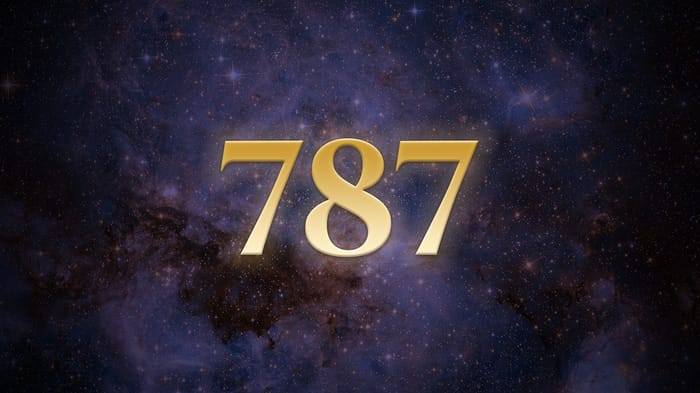
The numbers inside 787
787 reads as a 4.
Stability, foundation, building something solid
The rhythm is the subject, held between two proofs of alignment. 787 is a palindrome where the living pulse at center has been earned on both sides - what the Fool carries across the threshold is not a chapter or a relationship but a proven beat.
What 787 means for you specifically depends on which of the 11 Life Paths you’re on. Your birthday determines that.
Enter your birthday below:

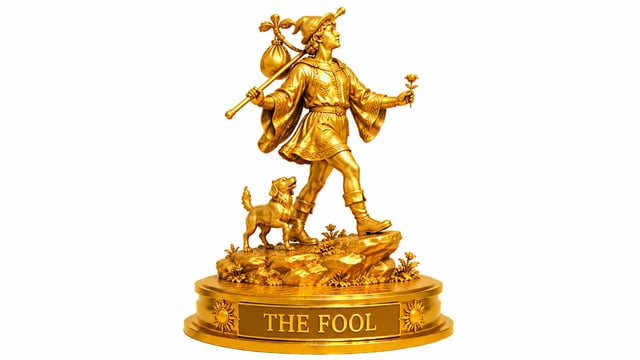
Most of the time, when the Fool appears in a reading, he is the traveller.
The figure at the cliff edge, bag over his shoulder, dog at his heels, about to step into whatever the next chapter turns out to be. The traveller is carrying himself. That is the ordinary grammar of the card.
Every so often, the arithmetic of a number produces a Fool who is not carrying himself at all. He is carrying something - and that something is what is actually doing the travelling.
The man is only the vessel. The true subject of the step is underneath his ribs, and it has been underneath his ribs for a long time.
787 is that kind of Fool-transit. And the thing being carried over the cliff this time is not a memory, not a love, not a completed chapter. It is a rhythm.

The Architecture on the Page
Look at the number. A seven on the left. An eight at the centre. A seven on the right.
It is a palindrome. The same read forward and backward. And the symmetry is not decorative. In the palindrome family, whatever sits at the centre is the thing the number is pointing at.
The digits on either side are the architecture around it. The sevens are the frame. The eight is the subject.
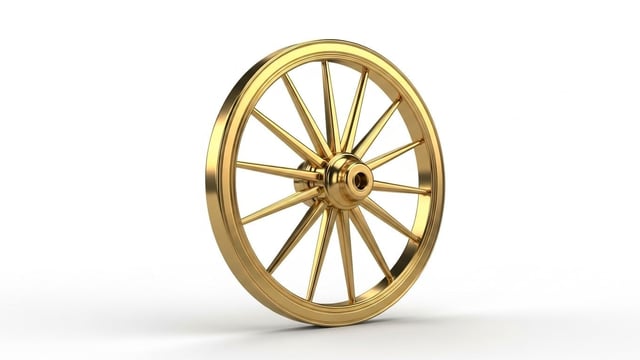
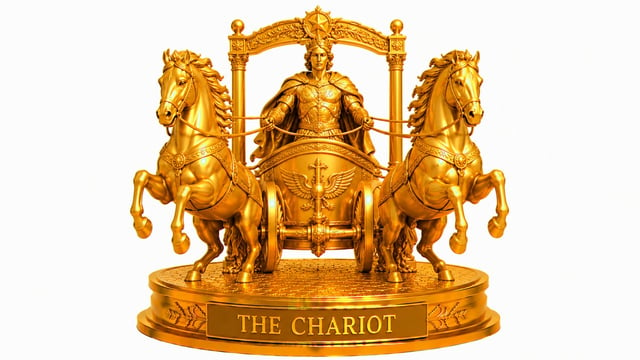
Seven is the Chariot. Victory, not luck. That mistranslation has been quietly corrected.
A seven is a completed alignment, a season in which the real you had the reins and the vehicle went where the driver pointed.
Two sevens, one on each side of a central digit, is the portrait of a life that has finished two such alignments. Neither is in doubt. Both are behind you, or one behind and one already gathering ahead.
The wins are not what the number is debating.
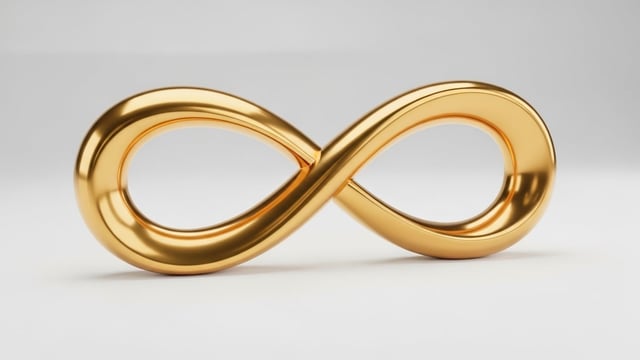
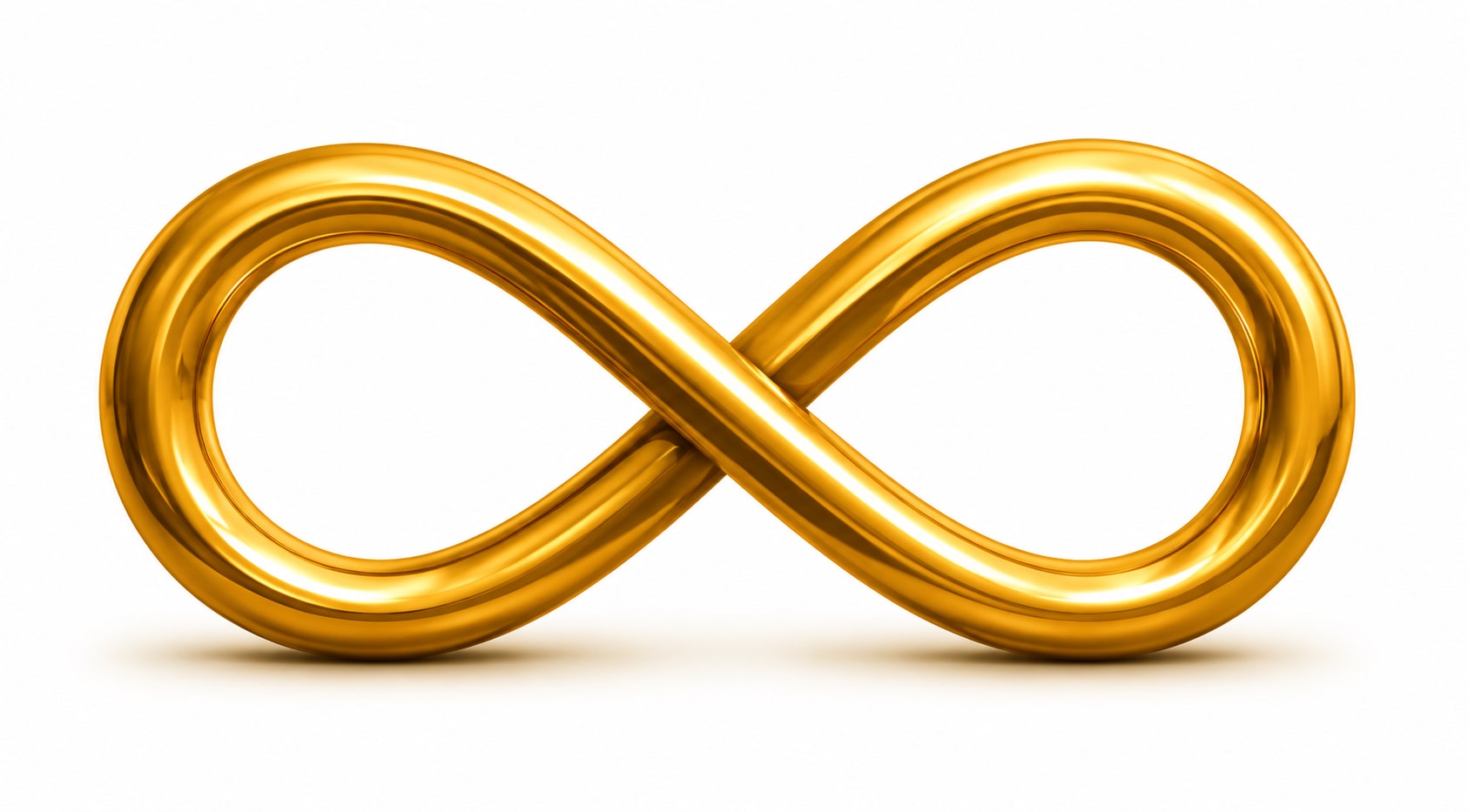
The eight in the middle is rhythm. The lemniscate. The sideways infinity. The pulse that runs between giving and receiving, effort and rest, output and intake, the two loops of a single figure that circulate forever through the point where they cross.
Eight is not the sum of what you have done. It is the cadence underneath the doing.
So 787, read as its shape, is victory-rhythm-victory. Two completed alignments on either side of the tempo that sustained them both.

The Seventh in the Family
This is the seventh palindrome in the 7-X-7 series, and the series has been quietly mapping what a life looks like when two wins sit on either side of a single centre digit.
Each palindrome puts a different thing in the middle. A new beginning. A partnership. A creative voice. A foundation. A liberation. A love.
787 is the one where the middle digit is the rhythm itself.
The others asked what the two victories were framing. A chapter being started. A person being loved. A work being made.
A home being held. 787 is different because rhythm is not a thing you can pick up and put down the way you can pick up a project or a partner.
Rhythm is not at the centre of the life. Rhythm is the centre. It is the pulse the whole configuration has been running on the entire time the two wins were happening.
When a palindrome frames rhythm, the question it is asking changes. The other palindromes asked who the person was between the wins. This one asks what tempo the person has been moving at.

What the Two Sevens Were Doing to the Pulse
Consider, for a moment, what winning does to rhythm.
Before a first victory arrives, the pulse of a life is usually irregular. Some weeks you are pushing hard, some you are drifting, some you are recovering from a push that did not land.
The cadence has not yet found its shape. You are learning what intake feels like versus output, what your real rest looks like, what tempo the particular instrument of your life will sustain over the long horizon.
When the first seven completes, something settles. The alignment leaves a residue. A sense of the tempo that produced it.
You begin, without announcing it to yourself, to know what cadence you were running at when the thing came together. That rhythm starts to steady. It becomes something the body remembers and returns to unprompted.
When the second seven completes. And in 787 it often has, or is close enough that you can feel it forming. The rhythm confirms itself. Two alignments at similar tempo.
Two wins drawn from the same pulse. The body now trusts the cadence. It has been run across two full arcs, and it has carried both to earned conclusions.
That is the rhythm sitting at the centre of this palindrome. Not an aspiration. Not a technique. Already proven, twice, from inside the living of it.

The Arithmetic of the Cliff
Add the digits. Seven plus eight plus seven is twenty-two.
A note on method: Twenty-two in the tarot is the full count of the Major Arcana - every archetype walked.
When a palindrome reduces to 22, the transit it describes is not a partial journey. It is the whole deck, lived. The Fool at 22 is not the naive Fool of card 0.
This is the Fool who has been through every card and is stepping forward carrying the complete circuit. In 787, the thing doing the stepping is not you - it is the rhythm you proved across two victories. That distinction is the entire reading.
Twenty-two, in the symbolic reading this site keeps returning to, is not a master-number halo. It is the card count of the Major Arcana, the full number of keys the journey contains.
And the figure those twenty-two cards organize around, the one who must be counted at both ends for the sequence to close, is the Fool.
You arrive at twenty-two by having walked the whole deck. Every archetype passed through. Every card lived. At the far end, you are the Fool again, only now with the full journey in your bag.
The reduction continues. Two plus two equals four.
Back to foundation. Back to the Emperor's square, the shape that holds, the ground that can be stood on. But, as in every Fool-transit, not the same foundation you started with.
A four arrived at through twenty-two is a different four from the one that came before any walking. It has already been around the whole circuit. It knows what solid feels like from inside a life that has been lived.
787, arithmetically, is a full Fool-transit. Two victories. Rhythm. Full Arcana. Portable foundation.
But there is something that makes this transit different from the other Fool-transits this series has described. It is not a completion of chapters. It is not a long love coming to its threshold. The thing being taken over the cliff is the pulse itself.
Whether 787’s shadow side applies to you — and how strongly — depends on your core numbers. Your birthday reveals the first one.
Enter your birthday below:

The Palindrome Fool, and Why It Is Rare
In a linear Fool-transit, the traveller has obviously arrived somewhere. Chapters have ended. Structures have been outgrown. The person walks, visibly, toward a next configuration.
In a palindrome Fool-transit, the walking is less obvious, because the symmetry of the number does not describe a sequence. It describes a pattern holding around a centre.
The two sevens on either side are not a before-and-after. They are a frame. Read the number backward, read it forward. Same configuration. What then is travelling?
The answer is the one thing in the configuration that is not static. The sevens are alignments; alignments, by definition, are complete. They do not move.
The foundation at the end of the reduction is a four; a four, by definition, does not travel. It holds the ground it is standing on. Everything in the structure is still except for the pulse at the centre.
The pulse travels because pulses always travel. A rhythm does not sit in one place. It is the one element in any living system whose whole nature is to move. A heart does not pause to admire its own beat.
A breath does not wait; it goes, and it comes, and it goes again. The eight in the middle of 787 is the only part of the palindrome whose nature includes motion.
When the whole configuration passes through the Fool - when the arithmetic reaches twenty-two - it is the eight that actually crosses the cliff.
The sevens remain what they have been. The four underneath is the ground. The only traveller, in a palindrome Fool-transit, is the pulse that was always moving anyway.
This is why 787 is rare. Most numbers that reduce to twenty-two do so by sending a person over the threshold. 787 sends the rhythm. The person stays; the pulse walks.

What That Means from the Inside
If 787 is finding you now, you are likely somewhere inside this configuration already. Two alignments behind you, or one behind and one close enough that you feel its shape gathering.
A note from the practitioner: If the idea of your rhythm "stepping off a cliff" made your chest tighten - that reaction is precisely what 787 is addressing. The fear is that letting go of what held you through two wins means losing the wins themselves.
It does not. The victories are finished. They are yours permanently. What is traveling forward is only the pulse - and the pulse does not need a cliff to be afraid of. It needs a next beat.
A steady cadence underneath both of them that your body has been running on for a while. And - this is the part the number is specifically naming - a subtle sense that the cadence is about to carry you into territory that neither of the two wins has mapped.
Not by your choosing. You did not decide to relocate the pulse. You have simply noticed, maybe in the last few months, that the rhythm you learned across two victories is now trying to run in a room you have not built yet.
The daily tempo is intact. The weekly arc is intact. But the shape of the life those tempos used to belong inside is beginning to feel like a container the pulse has outgrown.
This is the cliff edge of the palindrome Fool. A rhythm that has become portable without your permission, and is now quietly leading the rest of you toward the step.
The sevens are not going anywhere. They are genuine. They will always have been yours. But a victory, once it has completed, stops being the thing that sustains you. What sustains you afterward is the pulse you ran at while winning - and that pulse, here, is beginning to travel.

The Foundation That Moves with the Rhythm
The reduction lands on four, and the four is the part the number is most careful about.
A four is solid ground. The Emperor. The square. The foundation that does not shift under the weight of what you put on it. In most contexts, four is the thing that stays put so everything else can move.
A four arrived at through the full Arcana - a four reached by way of twenty-two - behaves differently. It is still solid. It is still load-bearing.
But it has walked the whole deck to get here, and one of the things it learned along the way is that ground does not have to be geographically fixed to be ground.
Solid is not the same as stationary. A rhythm can be a foundation if it has been steady enough for long enough.
This is what 787 is actually pointing at. The foundation you are walking toward is not the ground the first seven was built on, nor the ground the second seven confirmed. It is the ground that moves with the rhythm - the cadence itself, treated as the floor.
The pulse that ran across both wins is now the surface you stand on, and it is not waiting for you to arrive. It is already in motion, and your foot keeps landing on it because the pulse keeps arriving under your foot, beat by earned beat.
This is the hardest kind of foundation to accept, because the person who has just won twice tends to associate stability with what stays put. Houses. Titles. Configurations. 787 is specifically stripping that association.
The thing that was stable, in the two victories, was never the structures around them. It was the tempo inside them. And tempos, unlike structures, do not stay.

The Figure at the Edge
Come back to the image. The Fool at the cliff.
In the 787 version of the card, he is not the young traveller with nothing to lose. He has two medals at his hips - not hung for display, just present, the weight of them settled into the way he stands.
One ahead of him on his right side, one behind on his left, though in the palindrome you cannot quite say which is which.
They are earned. They are his. They do not need to be carried differently depending on which step he is taking next.
His eyes are on the horizon. His feet are already moving.
And somewhere inside his ribs, slightly left of centre, a drumbeat is still playing. Not loud. Not performative. The tempo of a life that has won twice and kept its pulse through both wins. The beat does not change when he steps off the cliff.
It is, in fact, what he is stepping with. The foot lands in time. The next foot lands in time. The ground that rises to meet each foot is the rhythm itself, arriving under him one beat ahead of where he needs it.
Two medals on either side. A drumbeat still playing.
A cliff that turns out to be a threshold, and a threshold that turns out to be a floor, and a floor that turns out to be the pulse that was there the whole time - now finally allowed to be what it always was.
Foundation. Portable. Keeping time.
That is the 787 transit. The rhythm was never decoration between the wins. The rhythm was the thing the wins were the frame for. And when the frame completes, the rhythm is what walks.

Curious which numbers are active in your chart right now? Your birthday is the starting point.
Enter your birthday below:
Explore Angel Numbers
| Digit meanings | Angel Number 7, Angel Number 8 |
| Reduces to | Angel Number 22 |
| Numbers that share your vibration | 868, 949, 1030, and 1048 all reduce to Life Path 4. |
Behind Your Angel Number
calculate your full numerology chart·find your life path number·numerology, explained